-
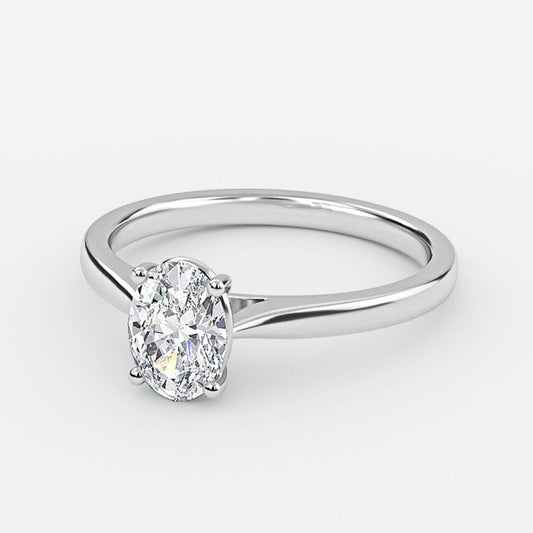
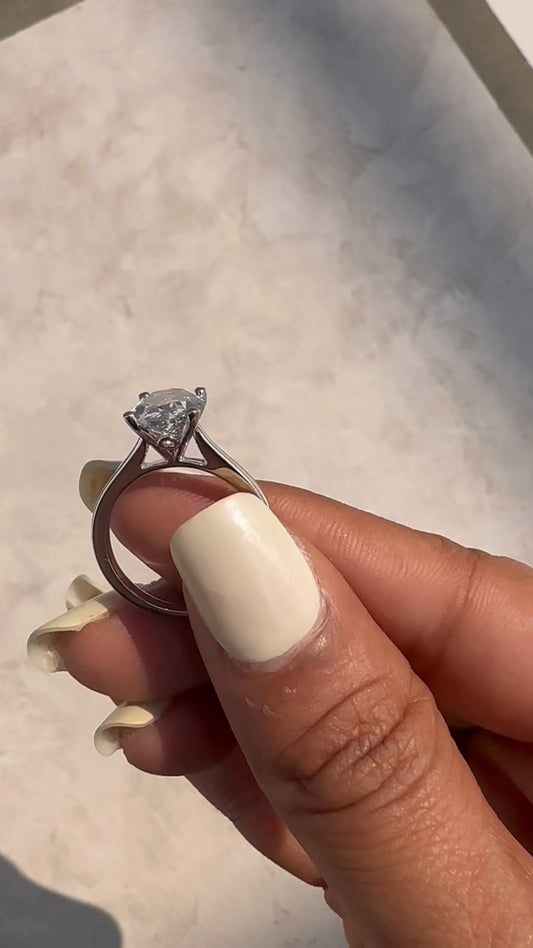
Simone Plain Oval Solitaire Moissanite Engagement Ring
Regular price From $142.00Regular priceUnit price per -
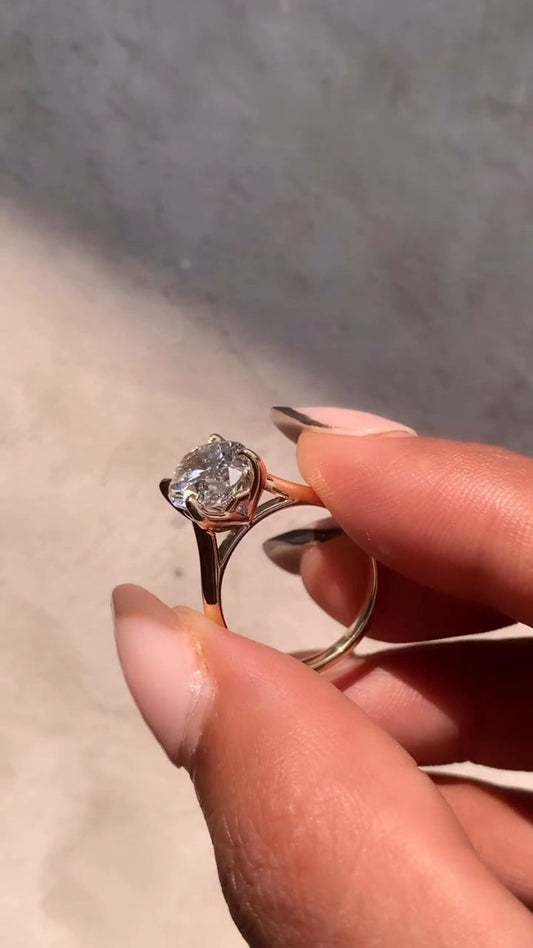
Kalista Oval Solitaire Moissanite Engagement Ring
Regular price From $142.00Regular priceUnit price per -
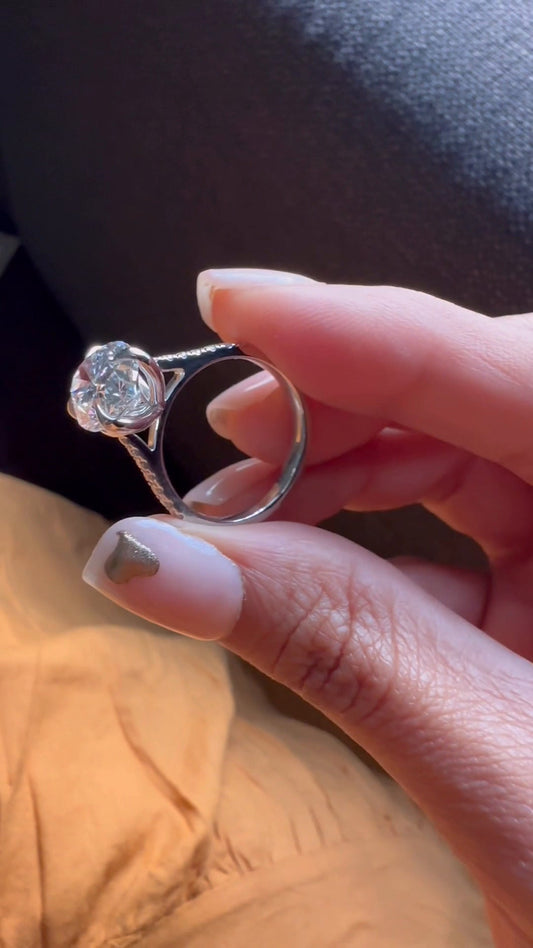
Magalie Oval Solitaire Moissanite Engagement Ring
Regular price From $142.00Regular priceUnit price per -
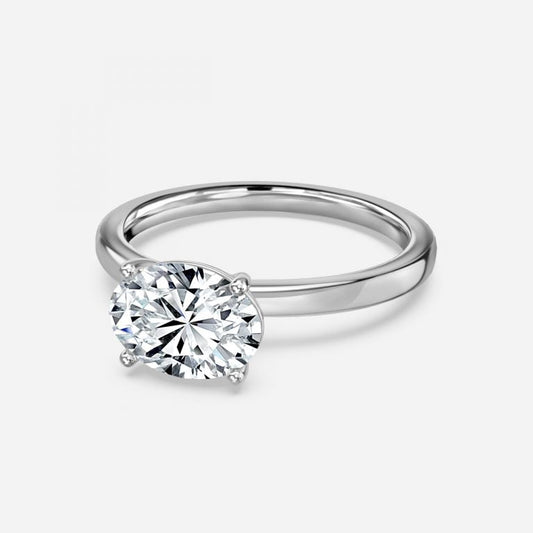
Ailani Oval Solitaire Moissanite Engagement Ring
Regular price From $142.00Regular priceUnit price per -
Zeni Oval Dainty Moissanite Engagement Ring
Regular price From $148.00Regular priceUnit price per -
Idalia Oval Solitaire Moissanite Engagement Ring
Regular price From $148.00Regular priceUnit price per -
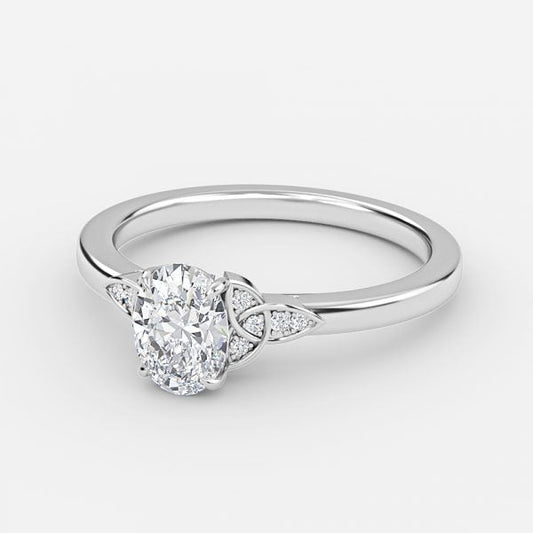
Tindra Oval Diamond Band Moissanite Engagement Ring
Regular price From $148.00Regular priceUnit price per -

Your Love, Your Design.
Craft Your Piece -
Kerensa Oval Vintage Inspired Moissanite Engagement Ring
Regular price From $148.00Regular priceUnit price per -
Katherine Oval Solitaire Moissanite Engagement Ring
Regular price From $148.00Regular priceUnit price per -
Peony Oval Solitaire Moissanite Engagement Ring
Regular price From $148.00Regular priceUnit price per -
Samira Oval Solitaire Moissanite Engagement Ring
Regular price From $148.00Regular priceUnit price per -
Eira Oval Diamond Band Moissanite Engagement Ring
Regular price From $148.00Regular priceUnit price per -
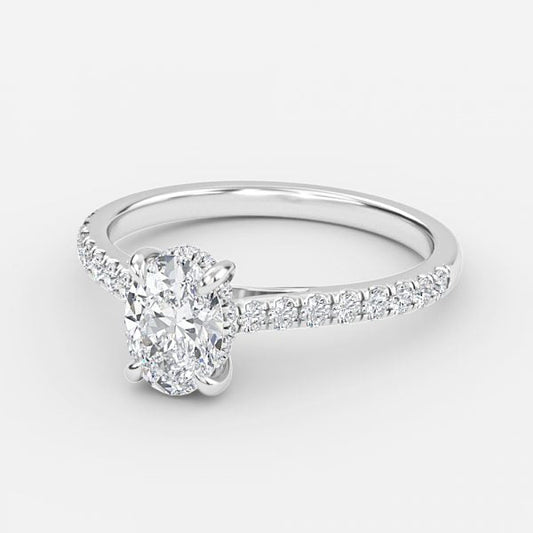
Pandora Oval Hidden Halo Moissanite Engagement Ring
Regular price From $148.00Regular priceUnit price per -
Tamara Oval Diamond Band Moissanite Engagement Ring
Regular price From $148.00Regular priceUnit price per -
Siobhan Oval Hidden Halo Moissanite Engagement Ring
Regular price From $148.00Regular priceUnit price per -
Jessalyn Oval Hidden Halo Moissanite Engagement Ring
Regular price From $148.00Regular priceUnit price per -
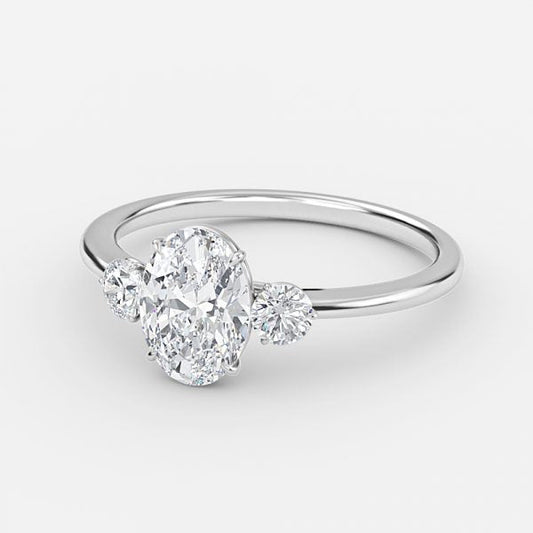
Kaori Oval Three Stone Moissanite Engagement Ring
Regular price From $148.00Regular priceUnit price per -
Zanna Oval Hidden Halo Moissanite Engagement Ring
Regular price From $148.00Regular priceUnit price per -
Alara Oval Solitaire Moissanite Engagement Ring
Regular price From $148.00Regular priceUnit price per -
Idra Oval Hidden Halo Moissanite Engagement Ring
Regular price From $148.00Regular priceUnit price per -
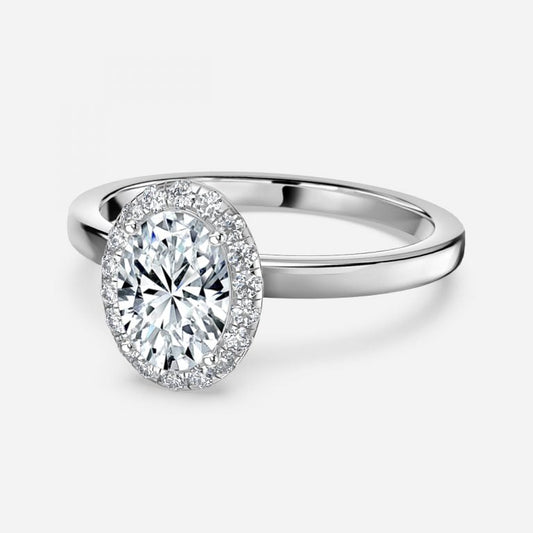
Katya Oval Halo Moissanite Engagement Ring
Regular price From $148.00Regular priceUnit price per -
Yuna Oval Solitaire Moissanite Engagement Ring
Regular price From $148.00Regular priceUnit price per -
Lyla Oval Solitaire Moissanite Engagement Ring
Regular price From $148.00Regular priceUnit price per -
Clio Oval Diamond Band Moissanite Engagement Ring
Regular price From $148.00Regular priceUnit price per -
Evora Oval Solitaire Moissanite Engagement Ring
Regular price From $148.00Regular priceUnit price per -
Vittoria Oval Diamond Band Moissanite Engagement Ring
Regular price From $148.00Regular priceUnit price per -
Bernadette Oval Solitaire Moissanite Engagement Ring
Regular price From $148.00Regular priceUnit price per -
Penelope Oval Hidden Halo Moissanite Engagement Ring
Regular price From $148.00Regular priceUnit price per -
Dasha Oval Solitaire Moissanite Engagement Ring
Regular price From $148.00Regular priceUnit price per -
Yati Oval Diamond Band Moissanite Engagement Ring
Regular price From $148.00Regular priceUnit price per -
Raquel Oval Solitaire Moissanite Engagement Ring
Regular price From $148.00Regular priceUnit price per




























Frequently asked questions
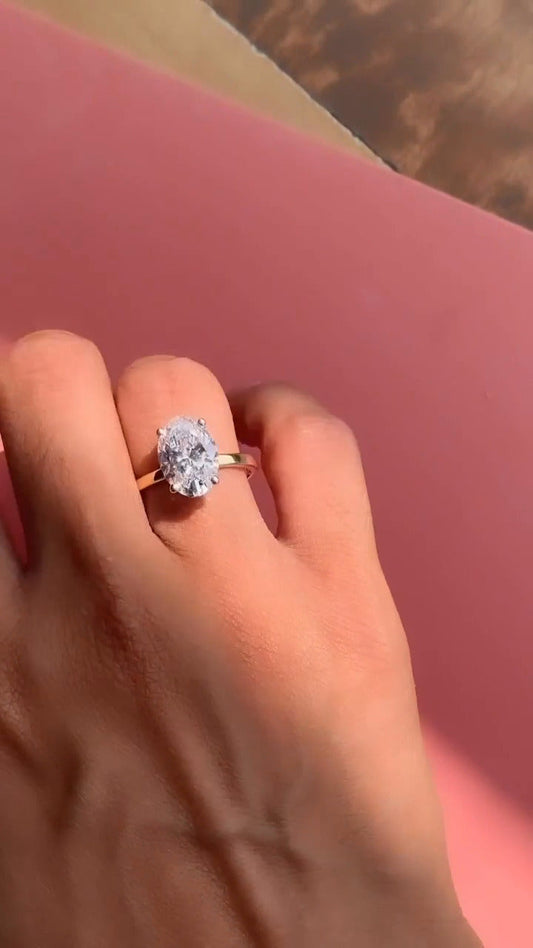
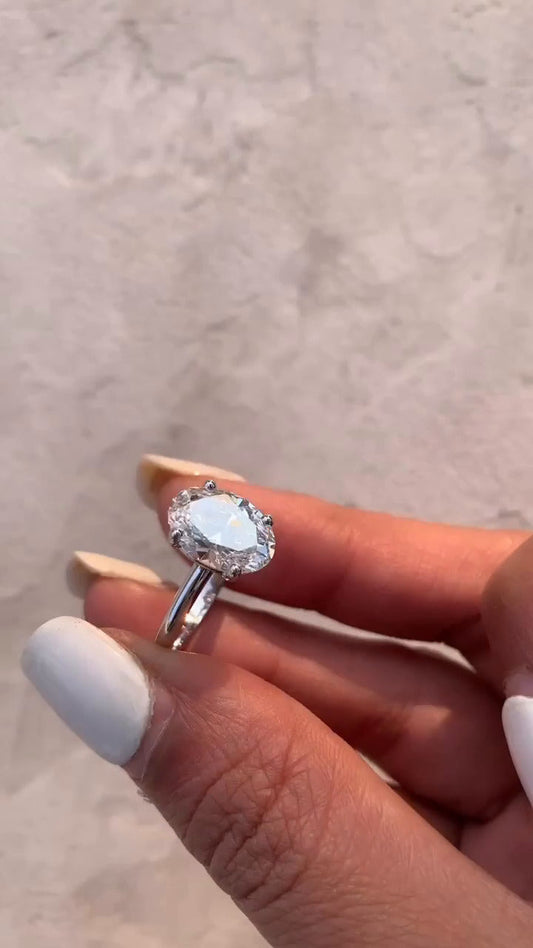
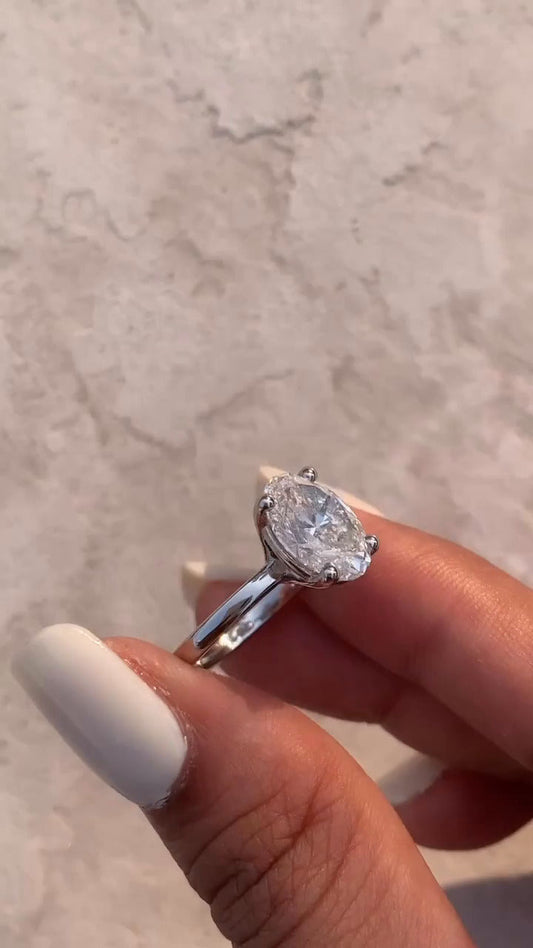
Does an oval look bigger than a round of the same carat?
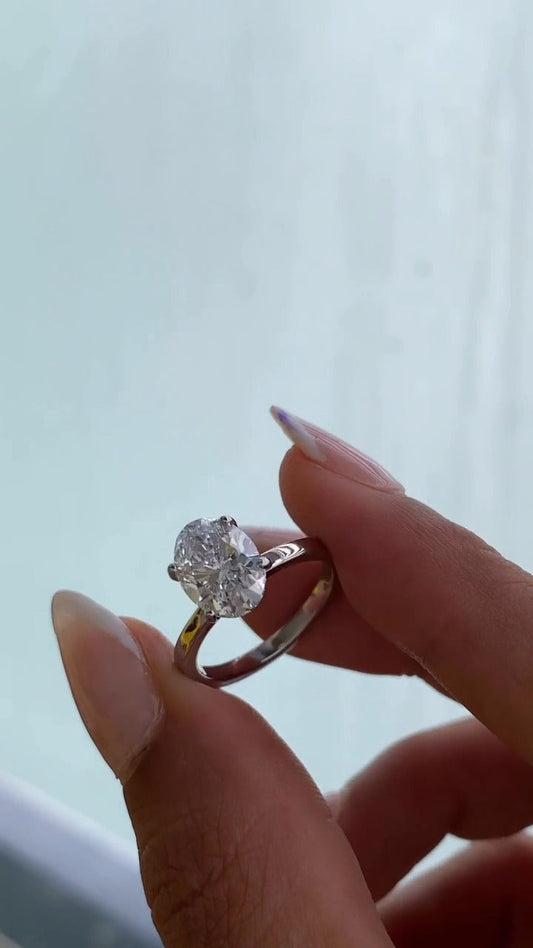
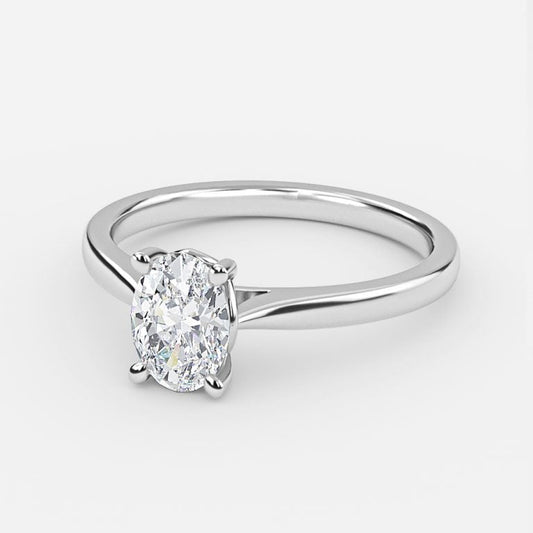
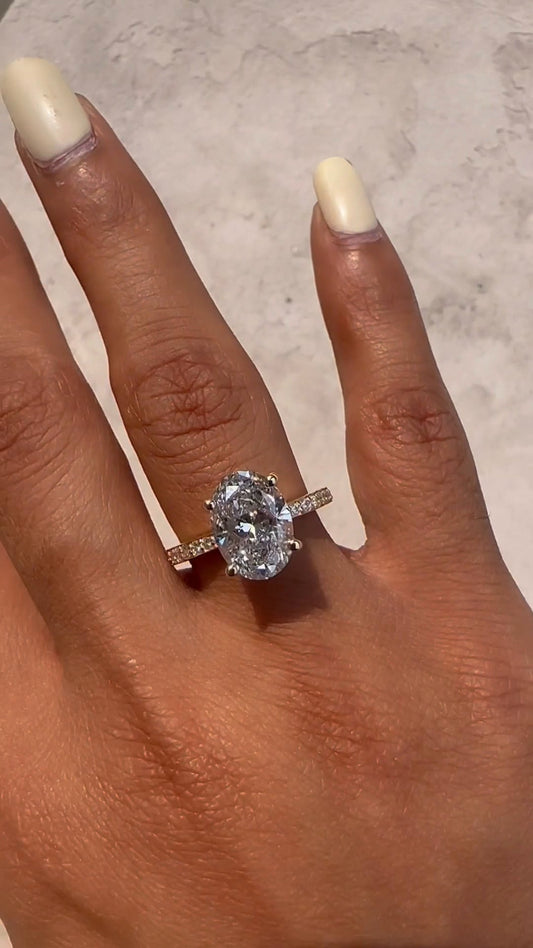
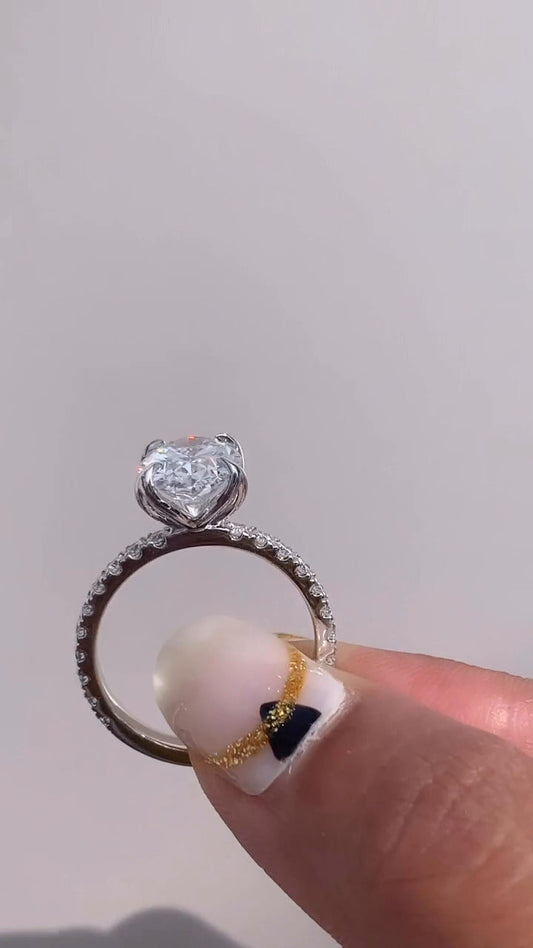
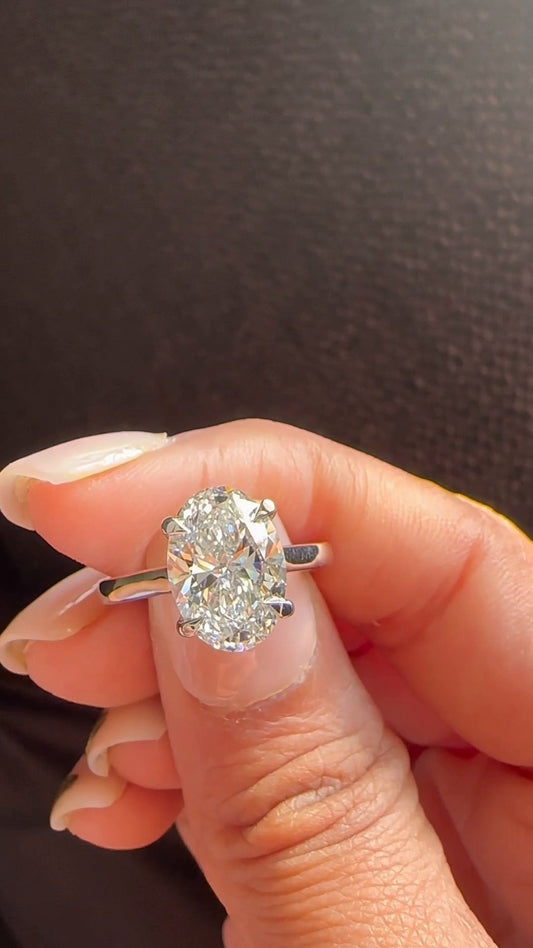
Yes. An oval spreads its weight across a longer footprint, so a 1.5ct oval reads noticeably larger on the hand than a 1.5ct round, and the elongation makes the finger look longer too.
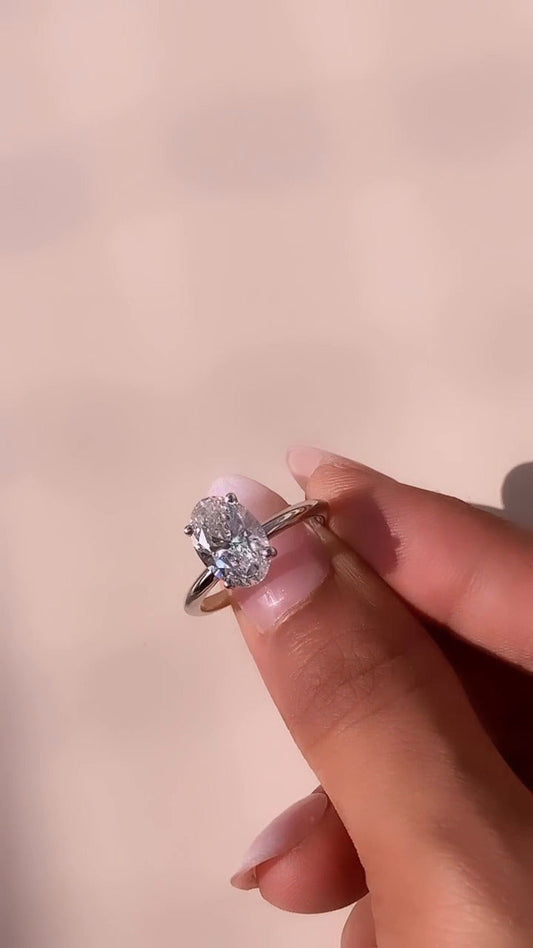
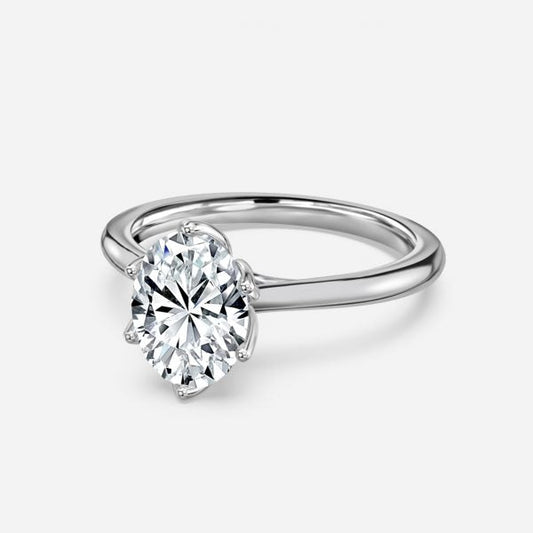
What is the bow tie in an oval?
A dark band across the middle where facets fail to return light. Nearly every oval shows a faint one. A heavy one dulls the stone, and we reject stones where it dominates during quality checks.
Is oval moissanite obvious?
The oval's brilliant faceting scatters moissanite's extra fire, so it reads closer to a diamond than a step cut of the same weight. Above roughly 1.5 to 2ct in bright light the fire becomes visible to a trained eye, and a jeweler with a tester can always identify moissanite.